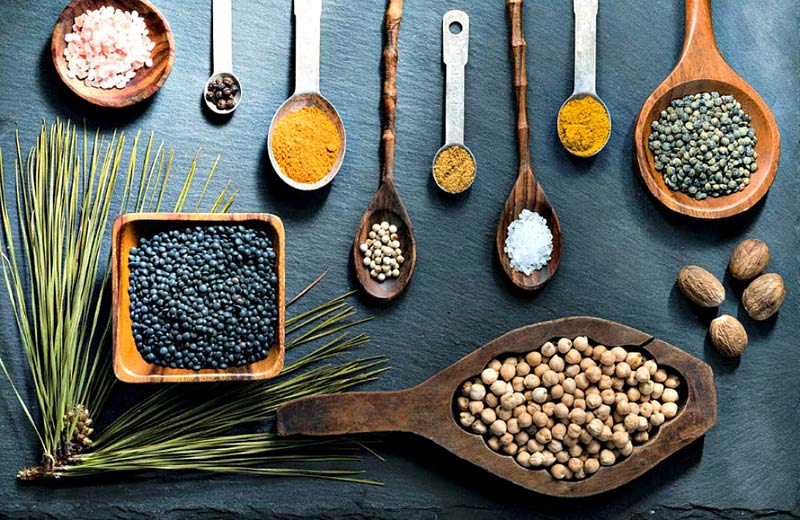
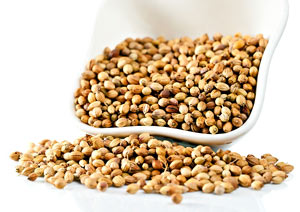
Harissa is a chile-based condiment used in Moroccan, Tunisian and Algerian cooking, where it is usually served as a side dish to dip meats into. Add Harissa Spice Blend to olive oil and chopped garlic to create this classic condiment. Or
• Create a bold, spicy rub for roasted and grilled meats
• Use to flavor soups, stews, salads, couscous, vegetables and egg dishes
• Create a spicy, refreshing dip for fresh vegetables by combining our Harissa Spice Blend with tangy yogurt
• Try in place of mustard on sandwiches
• Add a pinch to vinaigrettes, dressings and sauces
• Use to season steaks, chops, burgers, chicken, prawns or shrimp, fish, or vegetables before grilling
• Add a spoonful to cottage cheese
• Sweat minced shallots in butter, add wine or sherry, reduce, remove from heat and whisk in butter and harissa powder to make a luxurious Harissa Beurre Blanc
• Toss whole blanched almonds in olive oil, salt and harissa, blend and toast in the oven
• Add to vegetables at the start of cooking
• Whip softened butter with harissa blend, add chopped cilantro to make a compound butter for steak or fish
A recipe to try:
Harissa Roasted Sweet Potato Wedges
Our Harissa Spice Blend infuses these crispy baked sweet potatoes with the spicy flavor of chiles and a complex array of savory spices. The combination of sweet and spicy makes this dish an addictive side option for everything from burgers to grilled chicken.
Prep time: 5 min
Cook time: 40 min
Total time: 45 min
Makes 6 servings
2 Tablespoons The Epicentre’s Harissa spice blend
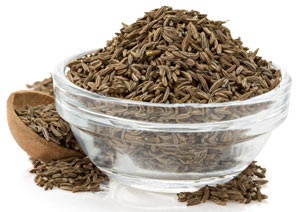
1 Teaspoon ground cumin
1 Teaspoon sea salt
3 Medium Sweet Potatoes, scrubbed and cut into 1/2-inch-thick wedges
2 Tablespoons Vegetable Oil
1 Tablespoon Fresh Cilantro, chopped
Directions
Preheat oven to 400°F, and line two baking sheets with parchment paper.
Stir together Harissa Spice Blend, cumin and sea salt in small bowl.
Toss sweet potato wedges with oil in large mixing bowl until well-coated. Sprinkle spice mixture lightly over wedges, while tossing, to thoroughly coat.
Transfer wedges to prepared baking sheets, and bake 35 to 40 minutes, until potatoes are tender and crispy at edges, tossing once halfway through cooking.
Sprinkle with chopped fresh cilantro. Serve hot
Photo by congerdesign
pixabay.com/photos/tomatoes-sun-dried-tomatoes-oil-2500819

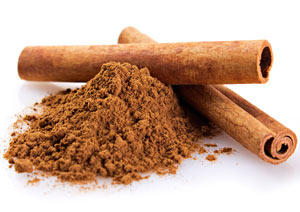
Who doesn’t love cinnamon? It’s used in all kinds of sweet and savoury dishes and makes a perfect topping for your favourite coffee drinks. But aside from being one of our favourite spices, adding cinnamon to your diet can benefit your health.
1. Cinnamon and Diabetes
Studies have shown that cinnamon supplements lower blood glucose levels in people with type 2 diabetes. In a related study published in the American Journal of Clinical Nutrition, it was found that a teaspoon of cinnamon helped tame blood sugar in people without diabetes.
Another study (suggests that because of cinnamon’s natural effect on blood sugar and lowering the body’s insulin resistance it may also be ideal for those who are categorized as being prediabetic.
It also reduces LDL cholesterol levels. LDL is also known as the harmful cholesterol. Reducing it may help reduce the risk of cardiovascular disease.
2. Cinnamon combats free radicals
The body produces free radicals which are small molecules that arise when atoms are paired with unpaired electrons. When this happens, free radicals start damaging other areas of the body, such as DNA and cause cell deterioration.
The body produces free radicals which are small molecules that arise when atoms are paired with unpaired electrons. When this happens, free radicals start damaging other areas of the body, such as DNA and cause cell deterioration.If your body has enough antioxidants available, they will react safely with free radicals and prevent any cell damage to the body. One teaspoon of cinnamon has as much antioxidant capacity as a full cup of pomegranate juice or a half-cup of blueberries.
3. Cinnamon fights infections
Due to its antifungal, antibacterial, antiviral and antiseptic properties, it is effective on external as well as internal infections. It helps in destroying germs in the gall bladder and bacteria in staph infections. In studies, cinnamon has been effective against ulcer-causing H. pylori bacteria and other pathogens.
Due to its antifungal, antibacterial, antiviral and antiseptic properties, it is effective on external as well as internal infections. It helps in destroying germs in the gall bladder and bacteria in staph infections. In studies, cinnamon has been effective against ulcer-causing H. pylori bacteria and other pathogens.
4. Benefits for Inflammation
Cinnamon contains a natural anti-inflammatory property called cinnamaldehyde making it a perfect herbal remedy for pain and swelling. It improves your circulation, due to the presence of a blood thinning compound. Good blood circulation ensures oxygen supply to your cells, leading to higher metabolic activity and further protection against heart disease.
Cinnamon contains a natural anti-inflammatory property called cinnamaldehyde making it a perfect herbal remedy for pain and swelling. It improves your circulation, due to the presence of a blood thinning compound. Good blood circulation ensures oxygen supply to your cells, leading to higher metabolic activity and further protection against heart disease.
5. Cinnamon and Weight Loss
Cinnamon has a regulatory effect on blood sugar levels and simultaneously increases insulin levels in the body. It imitates the biological activity of insulin and increases the metabolism of glucose. Since high blood sugar levels can lead to increased storage of fat by the body, cinnamon helps prevent this increased storage of fat and enables you to lose weight. In addition, it influences the manner in which sugar is metabolized by the body and prevents the transformation of the metabolized sugar into fat. A boosted metabolism will also allow you to burn more calories in a shorter amount of time.
Cinnamon also delays the passing of food from the stomach into the intestine so you feel satisfied for a longer time and eat less. This helps you lose weight. Cinnamon also helps the body to process carbohydrates more efficiently and this assists you in losing a few pounds. Studies show that abdominal fat is more sensitive to the effects of cinnamon than fat from other parts of the body.
6. Cinnamon’s role in treating Neurodegenerative Diseases
According to research published in the journal Molecular Biology, chronic inflammation plays a major role in the development of various neurodegenerative diseases, including Alzheimer’s disease, Parkinson’s disease, multiple sclerosis, brain tumor, and meningitis.
In addition to potentially boosting cognitive function, cinnamaldehyde and epicatechin, two compounds found in cinnamon, have an inhibitory effect on the aggregation of a particular protein called tau. Tau plays a large role in the structure and function of neurons. This protein can begin to accumulate, forming “neurofibrillary tangles” that are a hallmark of Alzheimer’s disease. Both compounds were found to protect tau from oxidative damage that can lead to dysfunction.
7. Cinnamon as a digestive aid
Cinnamon is effective in relieving abdominal discomfort brought about by excess gas. Cinnamon extracts can be used to treat gastrointestinal problems such as flatulent dyspepsia or gastrointestinal spasms and help calm the stomach. Cinnamon is a carminative because it helps break up intestinal gas and can be useful in fighting diarrhea and morning sickness.
For people with heartburn, it can be used as a post-meal digestive aid and in stimulating weak digestive tract.
Photo by Marco Verch Public domain (CC by 2.0)
www.flickr.com/photos/30478819@N08/46447301892

It’s a burning question. We all understand how onions bring on the tears but why does pepper make us sneeze?
There are 2 reasons why pepper is particularly sneeze-inducing. The first is that, like other spices, it is often used when finely ground. As with any other tiny particle in the air, it can stimulate nerve cells inside the nose and trigger the sneeze reflex to forcefully clear out the offensive particulate.
The other reason is on account of the chemical composition of pepper. Pepper contains a chemical called piperine, which gives the plant its flavour. Piperine stimulates the nasal nerve endings, causing the brain to trigger muscles in the nose and throat to get rid of the particles.
Piperine is present in white and green pepper but black pepper is the most irritating.
Know yer nose!
- When you sneeze, air rushes out of your nose at 100 miles per hour!
- The human nose has 5 million scent receptors
- Sneezing is called sternutation
- Our nose produces 1 to 2 pints of mucus every day
Photo by James Gathany / Public domain
commons.wikimedia.org/wiki/File:Sneeze.JPG
A recent study has determined that not only do spice rubs enhance flavour of grilled meat but they actually keep you healthy too.
Professor J Scott Smith of Kansas State University found that black pepper in particular almost entirely eradicates the formation of carcinogens called heterocyclic amines (HCAs) which can form on the surface of meat when it is cooked at high temperatures. According to the National Cancer Institute, HCAs have been found to cause changes in DNA that may increase the risk of cancer.
Smith found that blending black pepper with other spices could limit the formation of HCAs.”Blending pepper with antioxidant-rich spices works so well in ground beef patties and on steaks that the spice formulation eliminates nearly 100 per cent of HCAs,” Smith writes in Science Daily. “In these cases, the spices are added at a level that is quite practical, so the result is flavorful and healthy.”
Smith also found that herbs and marinades are beneficial in reducing HCAs. He stresses that marinades should only be done for a couple of hours because “marinating too long has the opposite effect because it can cause the antioxidants in the sauce to decompose”.