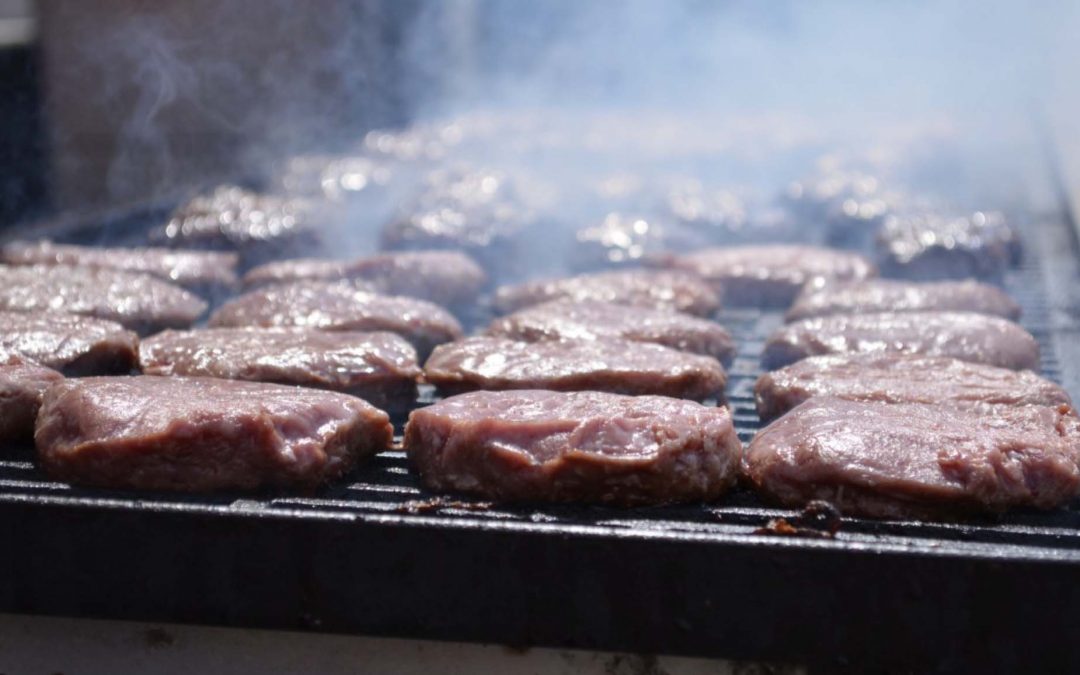
Find below ten exceptional smoker recipes that will have you getting out your smoker and probably calling in a couple of friends over:
1. Chicken Wings
The good old chicken wings come first. Although chicken wings are traditionally prepared with an outdoor grill, you will be surprised at how good the end results are when you add a little smoke. You can use pecan wood or hickory for best results. Add in as many flavors as you want, to better the taste, including brown sugar, smoky paprika, and garlic based rub.
2. Bacon Explosion
Bacon also had to be on this list, because who doesn’t love bacon? This is an easy-to-prepare recipe that will take your picnic or BBQ to the next level. This smoker recipe has bacon and sausage weaved together, to come up with such an explosion of pleasure.
3. Smoked Mac and Cheese
Did you know you can smoke side dishes? With smoker meat on the table, it would be great to have a creamy, cheesy and full of flavor side dish to complete the meal, and smoker Mac and Cheese is just the thing you need. It works best even for a BBQ for vegetarians.
4. Smoked Turkey
How about a Thanksgiving BBQ with a traditionally smoked turkey? Before hitting the smoker with your turkey, marinate it with flavors for extra juiciness and tenderness. Make sure you season it properly for the perfect taste, possibly with good poultry herbs like savory or sage. Then on the smoker, ensure you baste the turkey with a butter-based solution, taking the smoker slow and low, to get all the parts right.
5. Buttery Smoked Corn on the Cob
How about another vegetarian-friendly recipe? Smoked corn on the cob is just the perfect thing to get started on. If you are one who particularly enjoys grilled corn, then a smoked one will elevate your palate even more. This can also work great to go alongside smoked meat for meat lovers.
6. Smoked salmon
Nothing beats a good smoked salmon for all the fish lovers. This is one of the easy smoking recipes to try out as a topping for your salad, a high-protein snack or a morning bagel.
7. BBQ Smoked Ham
If it is your first time trying out your smoker, you can start with a BBQ smoked ham, which is more or less fail proof. You can add pineapple on top for the extra juice and flavor. The best bit is that it is easy to male and you can hardly mess up this BBQ Smoked Ham.
8. Smoked deviled eggs
Say you don’t like meat, but can you resist some well-smoked eggs? Yes, eggs can also be smoked, and the best part is that you don’t have to wait forever before they are cooked and ready to serve.
9. Smoked brisket
There are several ways to smoke the brisket and get by the stall period that happens after some time into the smoking. You can pause 4 hours into the smoking, dip the brisket in some beer for a couple of minutes, then put it in the oven for four more hours. The flavor, in the end, is definitely worth the wait.
10. Smoked Lobster Tail
I bet you have never tried this one. You need to be melted butter to help with the process, but the lobster tail is high in flavor and the result is scrumptious, to say the least.
If you have not yet bought a smoker, it is probably because you have not found a reason to yet. While it is easy to procure a smoker, it can be challenging to figure out what to do with it, once you have it home. There are a lot of meals you can enjoy with it, but only if you have the top 10 smoker grill recipes for outdoor pleasure handed to you.
Image by bkchaundy from Pixabay
https://pixabay.com/photos/grill-burgers-food-meat-hamburgers-1710915/

In a recent study, 84% of Canadians said that what they eat has a direct impact on their health. The study also found that 80% of women and 72% of men try to eat healthily on a regular basis. Simply by foraging, you can find natural wild food, untouched by pesticides and other chemicals. These are healthy ingredients that you can enhance with herbs and spices and make a delicious dinner from. Even better, they cost absolutely nothing.
Where can I forage?
In Canada, you are permitted to forage on most public land and in the national parks. If you want to forage on private land though, you must have the landowner’s expressed permission. On traditional territory, you should make sure that you get permission from the local First Nation Community. In wilderness, field and forest areas, you may find that you need an off-road vehicle like an ATV to get to where you want to forage. It’s not always easy to get around on foot over large distances, especially if it is snowy or muddy.
What should I take with me?
If you’re planning on mainly foraging for fruits, vegetables and plants, then you should make sure you take a suitable basket or container for storing your finds in. Salad leaf type plants wilt quickly, so you might want to put an ice box in your vehicle to keep them cool. Make sure that you take some hardy gloves, in case of thorns. You will also need some scissors or secateurs for cutting off stalks and stems.
Foraging etiquette
Only ever take what you’re going to eat yourself. Don’t ever strip plants of berries – leave enough for other people. Whilst you are foraging, leave the land as you found it, don’t drop litter or cause any damage. Make sure that you know what you’re picking, and don’t ever eat anything if you can’t identify it. This is particularly important with mushrooms and fungi that can be extremely toxic if you pick the wrong variety.
What are the common plants I can forage for?
Stalky Rhubarb: Stalky Rhubarb grows wild in Canada, and you can find it by the roadside. It is a fruit that is often overlooked, but it has a natural sweetness, and pairs beautifully with wild raspberries and strawberries. You can use it in jams and crumbles, and it also freezes well, provided that you squeeze the moisture out of it first.
Dandelions: These so-called weeds grow wild across the country: just make sure that you pick them in an area that hasn’t been sprayed with pesticides. The roots can be brewed with anise and lemon verbena into a delicious tea, and the flowers can be fermented into a unique tasting wine. It’s even better if you add allspice and fennel.
Morel Mushrooms: One of the most popular foods to forage for is mushrooms – in particular, the morels in Canada are rich, earthy and delicious. Prestigious chefs will pay handsomely for good quality morels to enhance their dishes. Morels are great as part of soups and stews, on top of pizzas or as part of a salad. They also hold spices well, and are beautiful as part of a vegetarian curry. You can find Morels on escarpments or in forest areas.
Ramps: Also known as wild leeks, ramps can be found growing in clusters in dense forest areas. They are commonly found at the end of April and beginning of May. They make a tasty addition to a salads, or can be added to a dish in place of onions. The whole plant can be used, so you won’t need to pick many.
Foraging for fresh, delicious food is a wonderful way of eating healthily. Across Canada you can find fruits, vegetables, edible plants and nuts growing wild, and they are all natural and free.
Image by Valeria Boltneva from Pixabay
https://www.pexels.com/photo/four-basket-of-mushrooms-l-724657/
India spices are globally renowned and, with a growing economy, the subcontinent is exporting more than ever. Over a million tons of spices native to India were exported in 2017-2018. From hot chilli peppers to sweet and spicy ginger, there is an Indian spice to suit all tastes. However, the only way to enjoy an authentic combination is to visit the country itself and have it cooked for you by local chefs. A road trip will allow you to visit more towns and discover the incredible diversity of flavour.
Don’t be afraid to venture into the largest cities such as Mumbai or Delhi. As the second cheapest country to live in, you can splash out on the finest dishes on offer, even if your funds are limited. Each new region will vary slightly, but which one is for you?
The Mild North
If you don’t like anything too hot, then focus your Indian road trip in the north. Here sauces tend to be made from garlic and onion. This makes for more mild dishes such as the rogan josh. Despite the lack of spice, this is an aromatic meal with big flavors. Biryani is another popular dish, with cool dairy products like yogurt being added to any hot dish.
The Chinese Inspired East
You should choose to venture eastwards if you are interested in sampling Chinese or Mongolian inspired treats. Here you’ll find sweeter dishes, as well as fruit and pork. A panch phoron spice blend, similar to Chinese five spice, is typical of this region.
The Vegetarian West
Although meat is plentiful in India, you may not find it so readily in the Hindu west, where many people adopt a vegetarian diet. This leads to unique flavour combinations, with coconut, fruit and jaggery contributing to sweeter dishes. Coastal regions will have more seafood, including fish curry.
The Seriously Spicy South
If your road trip allows you to head south, then lovers of spice are in for a real treat. Mustard seeds and chilli add a kick to almost any meal you can order. This area is also full of exotic fruits and vegetables, such as coconut and tamarind. This can add a healthy and delicious dimension to the hot spices.
There is so much to explore in India from the mountains to the temples but for many, the food is a real highlight. The perfectly crafted blend of flavours will be like nothing you have experienced. However, remember that each region has unique traditions, so pick your route carefully to enable you to stick to what you love or try something new.

3 cups fresh corn kernels
2 cups cherry tomatoes
4 cloves garlic, diced
2 tablespoons olive oil
1 medium onion diced
8-ounce jar roasted red bell peppers, drained
4 cups chicken broth
1 teaspoon The Epicentre’s Smoked Sweet Paprika
1 teaspoon The Epicentre’s Chipotle Chili Powder
salt
The Epicentre’s Smoked black pepper

Make the most of the corn season with spiced butter for grilled or oven roasted corn!
 This time we used The Epicentre’s Harissa, The Epicentre’s smoked sweet paprika, chives and grated lime zest
Heat a grill to medium-high or oven to 450 degrees. In a small bowl, combine the room temperature butter and spices. Use a fork to mash everything to a smooth paste.
Remove husks and silks from each corn and rub a generous amount of the butter mixture over each ear of corn. Wrap each ear in foil, then grill for 4 to 5 minutes.
(Or roast in oven on cookie sheet at 450 degrees for 20 to 25 minutes)
Try the following variations:
salt, pepper, The Epicentre’s Roasted cumin, The Epicentre’s Premium Chili powder, lime juice
The Epicentre’s Chimichurri blend, salt, pepper and lemon juice

Image by Lori Moriarty from Pixabay
pixabay.com/photos/breakfast-french-toast-berries-2074834/
Of course, you’ve been told that breakfast is the most important meal of the day — but not for all of the tired old reasons your momma gave you. It’s because breakfast rocks. Think bacon, eggs, waffles and, our favourite, french toast. Just as it is with other breakfast classics, french toast is easy to prepare but be wary, it can go so wrong.
Let’s make sure your french toast lives up to its full potential. To start with you should always use a buttery bread like challah or brioche. Season the batter and give the bread time to soak — don’t rush it. If you follow these simple rules, you’re on your way to breakfast perfection.
We love this video from the New York Times Recipe Lab. Beautifully presented but we do have to take issue with the meagre use of cinnamon they call for. We suggest some Everything Nice spice to add the flavours of cinnamon, allspice, nutmeg, ginger, cloves, cardamom, mace and a hint of lemon. Now we’re on to something good. If you feel like something a little more exotic, try it with Chai Baking Spice!
Our Favourite French Toast Recipe
Ingredients
6 large eggs
1 1/2 cups milk
1/4 cup orange juice
2 tablespoons pure vanilla extract
2 tablespoons cognac, (optional)
1 tablespoon sugar
Zest of 1 lemon, (about 1 tablespoon)
2/3 teaspoon Everything Nice
Pinch of salt
6 slices bread, such as challah, sliced 1-inch thick, preferably day-old
4 tablespoons unsalted butter
4 tablespoons vegetable oil
Maple syrup
Directions
- Whisk together eggs, milk, juice, vanilla, cognac, sugar, zest, Everything Nice, nutmeg, and salt in a bowl; set aside.
- Place bread in a shallow baking dish large enough to hold bread slices in a single layer. Pour egg mixture over bread; soak 10 minutes. Turn slices over; soak 10 minutes more or until soaked through.
- Preheat oven to 200 degrees. Place a wire rack on a baking sheet, and set aside. Heat 2 tablespoons butter and 2 tablespoons vegetable oil in a skillet over medium heat.
- Fry half the bread slices until golden brown, 2 to 3 minutes per side. Transfer to wire rack; place in oven while cooking remaining bread. Wipe skillet, and repeat with remaining butter, oil, and bread.
- Keep in oven until ready to serve. Serve with maple syrup.

